Registered Australian charity · ABN 73 236 435 718
What we do, every single day.
Four programs, one purpose: wildlife in the Warrego gets rescued, healed and released — and the people around them learn how to help. Everything below is delivered by volunteers.
Program one
Rescue, treatment & rehabilitation
This is the hands-on work. When an injured or orphaned animal comes in, we assess it, treat it and settle it into care. Joeys need warmth, regular bottle feeds and a soft pouch to grow up in. Injured adults need wound care, rest and a safe yard to recover in.
As they heal, wild animals are moved through larger spaces so they can build strength and wild instincts — and when they're ready, they're released back into suitable country, away from the highway. Animals that can't return to the wild, like the cats and the lamb currently with us, are found safe, permanent homes.
- Emergency first response and assessment
- Bottle-feeding and raising orphaned joeys
- Wound treatment and recovery care
- Soft release back into the wild, or rehoming where release isn't possible
Program two
Wildlife rescue education
Most people want to help an injured animal — they just don't know how. Our education program changes that. We teach locals, families and school kids the essentials of wildlife rescue: how to safely approach an injured animal, how to keep it warm and calm, what never to do, and who to contact next.
We also teach the quieter lessons: why you shouldn't feed wild animals, why joeys raised by humans need specialist care, and how to share the road and the land with the creatures that were here first.
Program three
The Coffee Cart
Our Coffee Cart is the friendliest classroom in the outback. We take it to local events, markets and roadside stops, pour a decent cuppa, and talk wildlife welfare with whoever wanders over. It's amazing what people will learn over a flat white.
The cart does two jobs at once: it spreads practical wildlife knowledge far beyond our town, and it keeps the community connected to the rescue — the place where neighbours hear what's in care, what's been released, and where help is needed next.
Program four
Traveller education
The Warrego Highway never sleeps, and at dawn and dusk it crosses paths with kangaroos every single day. For travellers, a wildlife strike is frightening and confusing. We make sure they know what to do next:
- Stop safely and check the animal — never put yourself in traffic
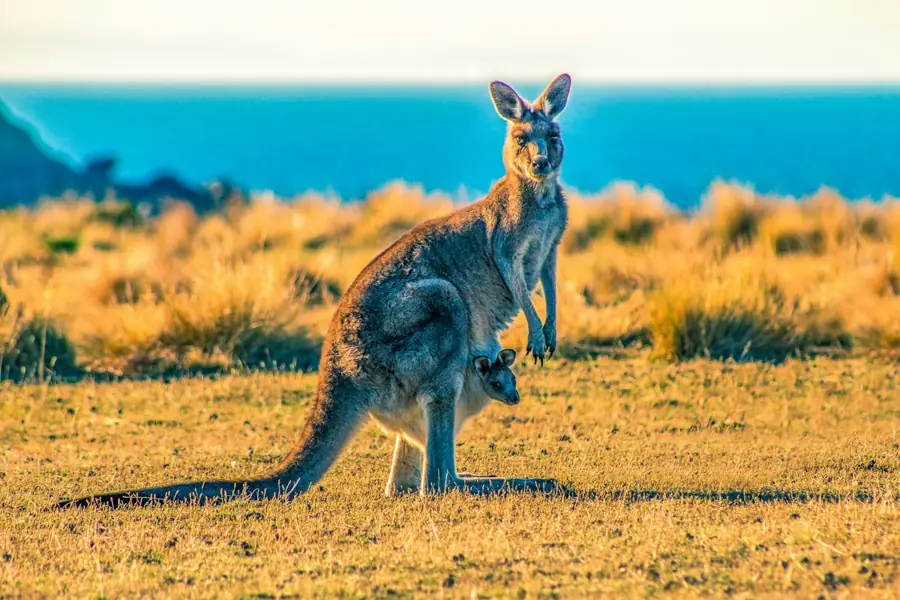
- Always check the pouch: a joey can survive for days after its mother is killed
- Keep any orphan warm, dark and quiet — a pillowcase works wonders
- Don't offer food or water — the wrong feed can kill a joey
- Contact a local wildlife rescue straight away
Share this page with anyone driving the Warrego. It could save a life.